- Teacher: Admin User
Animal production is a field within Animal Science that focuses on the breeding, feeding, management, and health of livestock in order to produce food and other animal products efficiently and sustainably.
Introduction to Livestock Production
Importance of livestock in agriculture and the economy
Types of production systems (intensive, semi-intensive, extensive)
Animal Nutrition
Types of feeds and feeding systems
Nutrient requirements for growth, milk, meat, and egg production
Breeding and Genetics
Selection of good breeds
Basics of heredity and improvement of livestock
Livestock Management
Housing and welfare
Handling and routine care of animals
Animal Health and Disease Control
Common livestock diseases
Prevention, vaccination, and biosecurity
Production of Major Livestock
Cattle production (milk and beef)
Sheep and goat production
Pig production
Poultry production
Provides meat, milk, eggs, and other animal products 🍖🥛🥚
Supports farmer livelihoods and rural economies
Contributes to food security and nutrition
Cattle 🐄
Goat 🐐
Sheep 🐑
Pig 🐖
Chicken 🐓
✅ By the end of the course, students usually understand how to manage livestock efficiently to maximize production while maintaining animal welfare and sustainability.
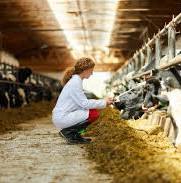
Animal Production is a course that focuses on the science and management of domestic animals raised for food, fiber, and other products. The course teaches students how to breed, feed, care for, and manage livestock such as cattle, goats, sheep, poultry, and pigs to improve productivity and sustainability.
Students learn the principles of animal nutrition, reproduction, genetics, health management, and housing systems. The course also explores how proper animal management can increase meat, milk, egg, and other animal product production while maintaining animal welfare and environmental sustainability.
In addition, the course introduces modern livestock production systems, disease control, and farm management practices used in commercial and small-scale farming.
Livestock breeds and selection
Animal nutrition and feeding systems
Reproduction and breeding techniques
Animal health and disease management
Housing and farm management
Production of meat, milk, eggs, and other animal products
Sustainable livestock production
The main objective of this course is to equip students with knowledge and practical skills needed to manage and improve livestock production efficiently and sustainably.